Latest Issues — Chronological
- Markov Chains: Why the Future Depends Only on the Present
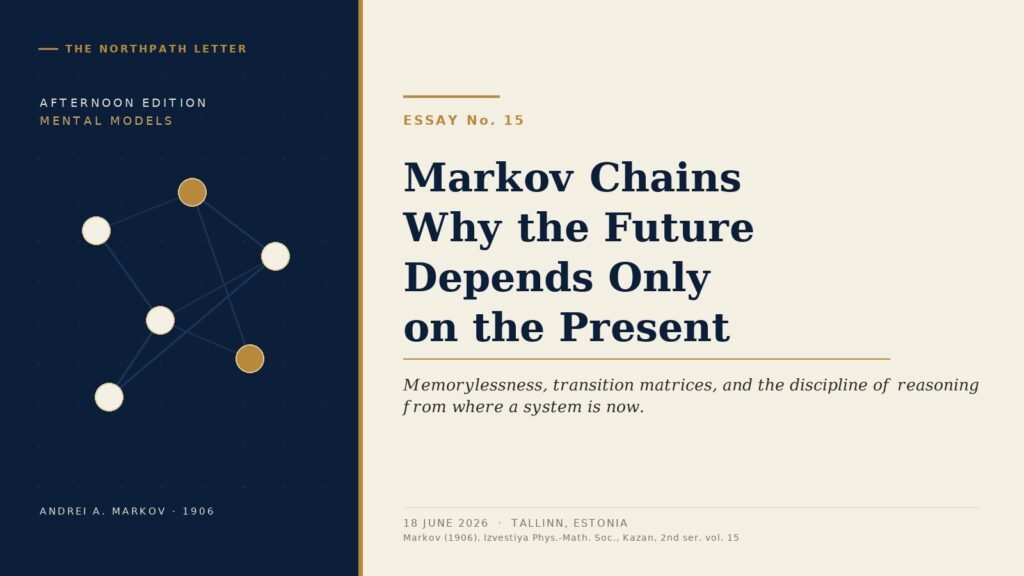 Andrei Markov proved his memoryless chain to win an argument and demonstrated it on a poem. A century on, the same structure prices credit, ranks the web, and disciplines how a long-term investor thinks about persistence, reversion, and ruin.
 - The Wrong Question: Attribute Substitution and the Good-Company Trap
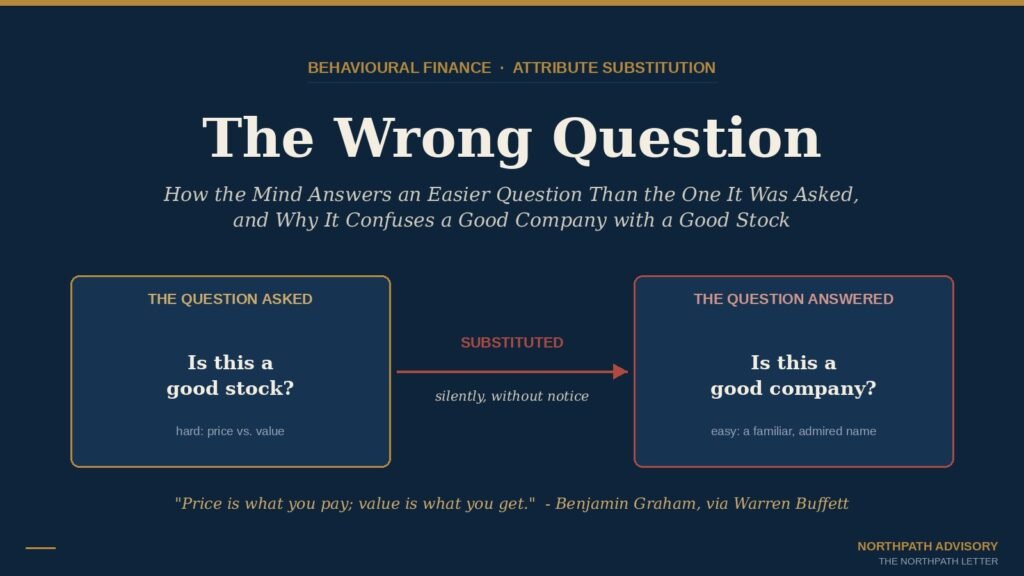 When a question is hard, the mind silently answers an easier one. Kahneman and Frederick called it attribute substitution; for investors it is the swap of “is this a good company?” for “is this a good stock?” — the error that priced the Nifty Fifty and Cisco to ruin.
 - The Monte Carlo Method: Stanisław Ulam’s 1946 Game of Solitaire, the Engine of Chance That Modelled the Bomb, and Why the Long-Term Investor Should Think in Distributions, Not Forecasts
 Born at a sickbed over a game of solitaire and first proven on the ENIAC, the Monte Carlo method replaces the single forecast with the full distribution of what might happen — and teaches the long-term investor to simulate for survival, not the average.
 - The Second Marshmallow: Walter Mischel’s 1968 Test of Self-Control, and Why the Market Pays Its Largest Rewards to the Long-Term Investor Who Can Wait
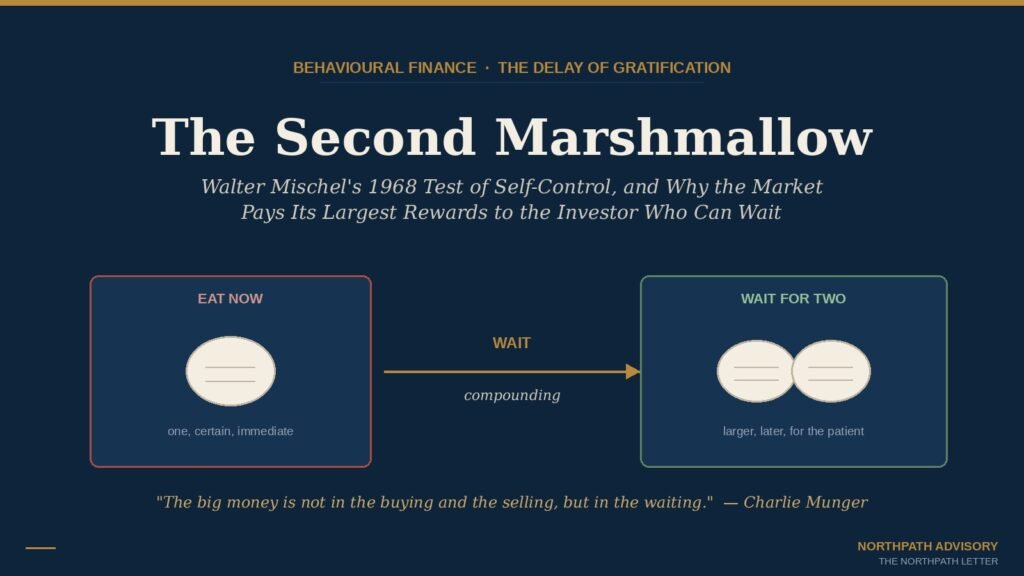 Walter Mischel’s marshmallow test measured a child’s capacity to wait for a larger, later reward — the exact decision the equity market runs on each day. The finding, its honest 2018 qualification, and the disciplines that let long-term investors leave the marshmallow alone.
 - Two Clocks on One Bad Loan: How India Is Trading the 90-Day Rule for Expected Credit Loss
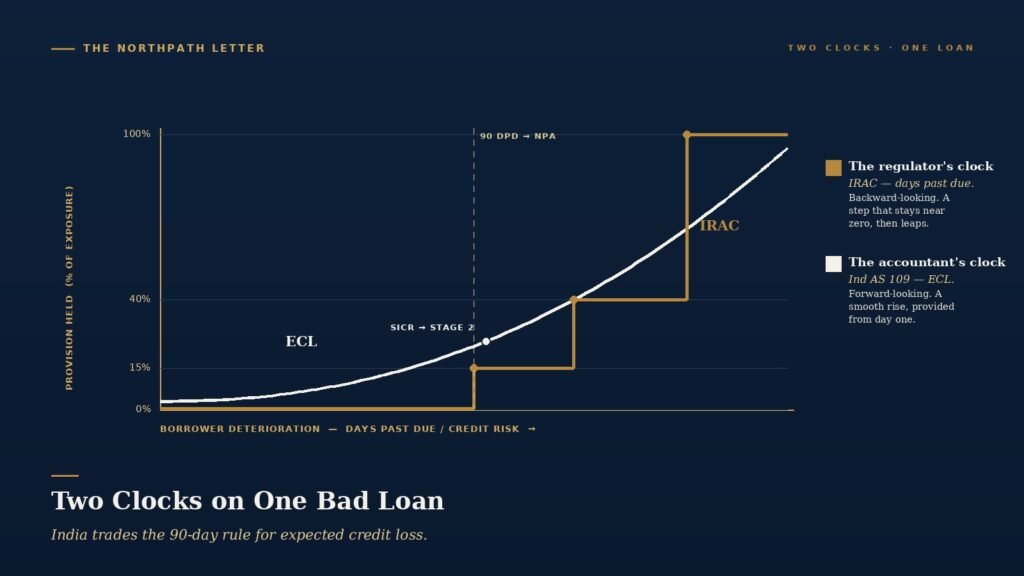 India measures the same bad loan two ways at once: the RBI’s backward-looking IRAC calendar, which provisions by days past due, and Ind AS 109’s forward-looking expected-credit-loss model, which provisions by what management expects to lose. A practitioner’s guide to the two clocks, the impairment reserve that already bolts them together inside India’s NBFCs, and the April 2027 reform that finally brings the banks under expected credit loss.
 - The Lindy Effect: Benoît Mandelbrot’s Reversal of a 1964 Aphorism, Nassim Taleb’s 2012 Law of Survival, and Why for the Long-Term Equity Investor Age Can Be Evidence of Endurance
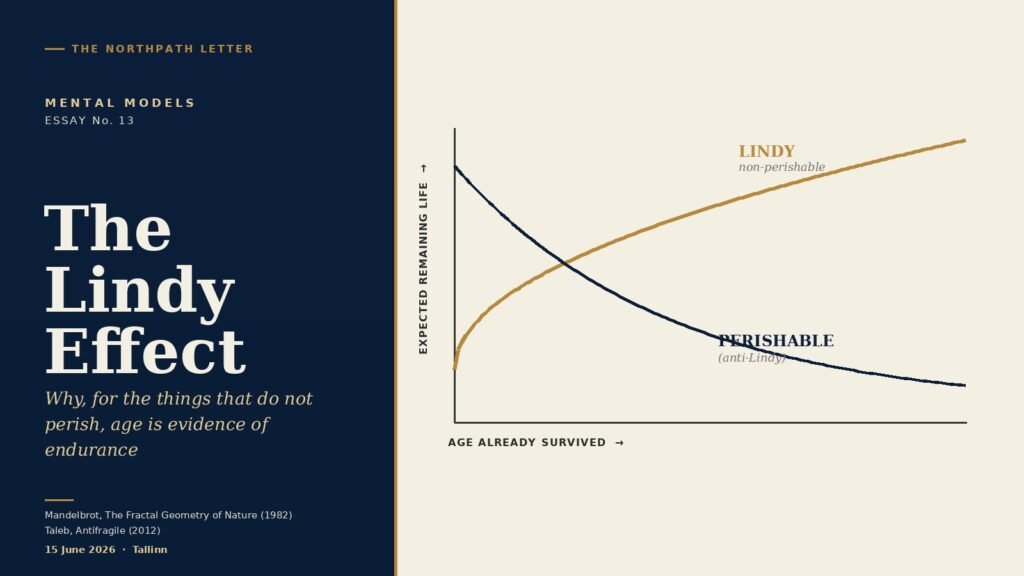 For the non-perishable, the longer a thing has lasted the longer it is likely to last. Mandelbrot reversed a 1964 showbiz aphorism; Taleb named it the Lindy effect. What it means for judging a business’s durability — and why most public companies are not Lindy.
 - When the Sale Counts: How Ind AS 115 Rewired the Top Line of the Indian Annual Report
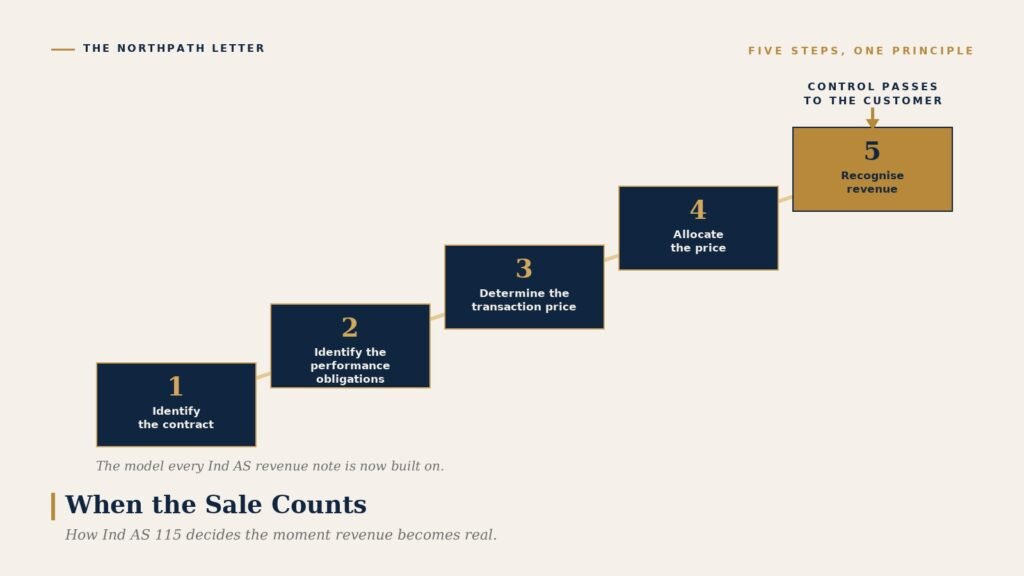 Ind AS 115 changed the moment an Indian company is allowed to call a sale a sale: a practitioner’s guide to the five-step, control-based revenue model, the over-time-versus-point-in-time fork that re-wrote real-estate accounting, the new contract assets and liabilities on the balance sheet, the disclosures that reward a careful reader, and why India, the UK and the United States now read revenue from one page.
 - The Black Swan: Nassim Nicholas Taleb’s 2007 Model of the Highly Improbable, and Why the Unforeseeable Event Decides the Long-Term Investor’s Fate
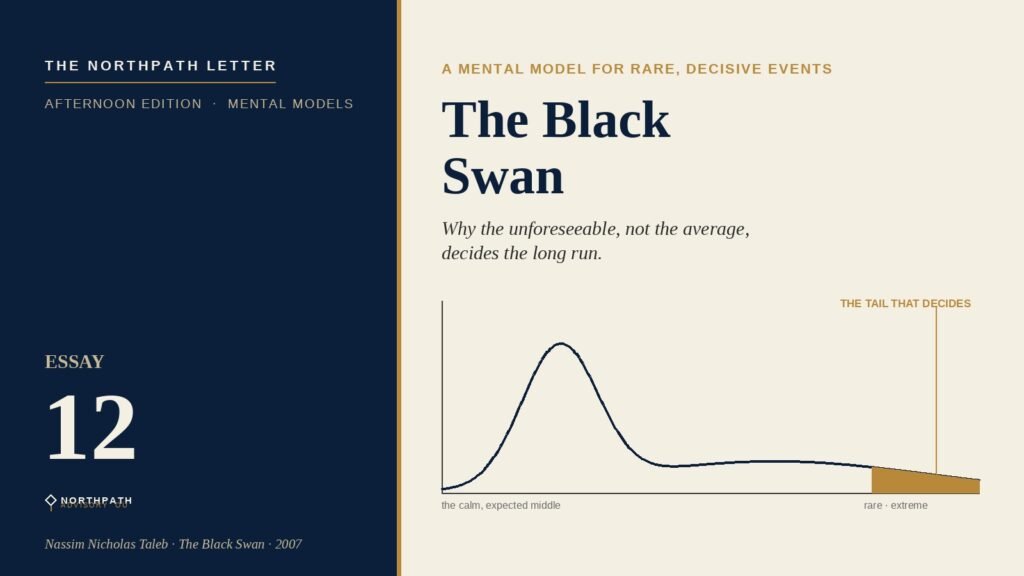 Nassim Taleb’s Black Swan model holds that rare, high-impact, retrospectively-explained events decide the long run. Why the turkey problem, fat tails and the limits of induction matter more to a long-term equity investor than any forecast.
 - The Machine You Cannot Draw: The Illusion of Explanatory Depth
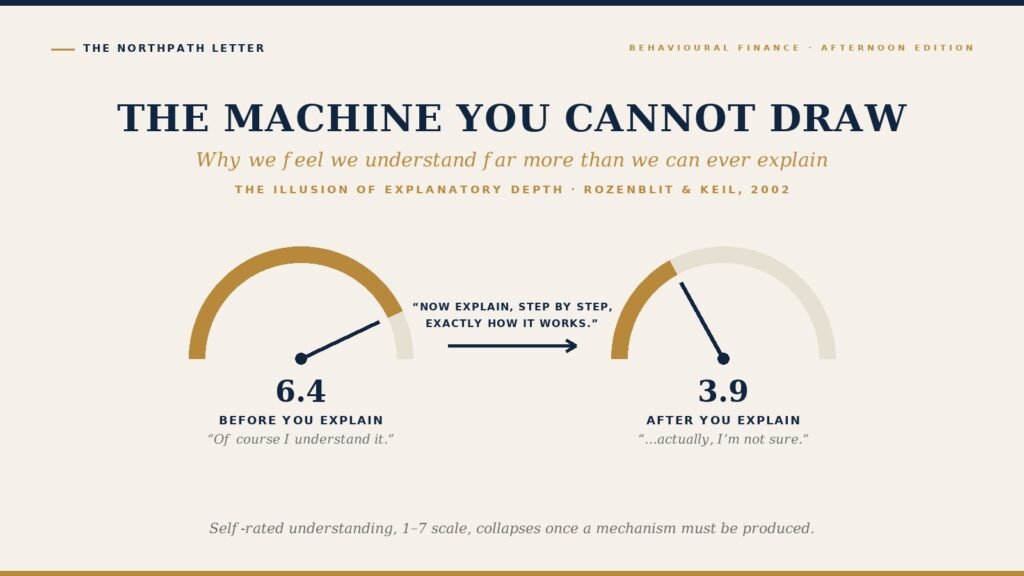 Rozenblit and Keil (2002) found that the feeling of understanding how things work collapses the moment we must explain the mechanism. From auction-rate securities to Lehman minibonds, the illusion of explanatory depth sells the label and hides the machinery — and three disciplines that puncture it.
 - The Liability That Was Always There: How Ind AS 116 Brought India’s Leases Onto the Balance Sheet
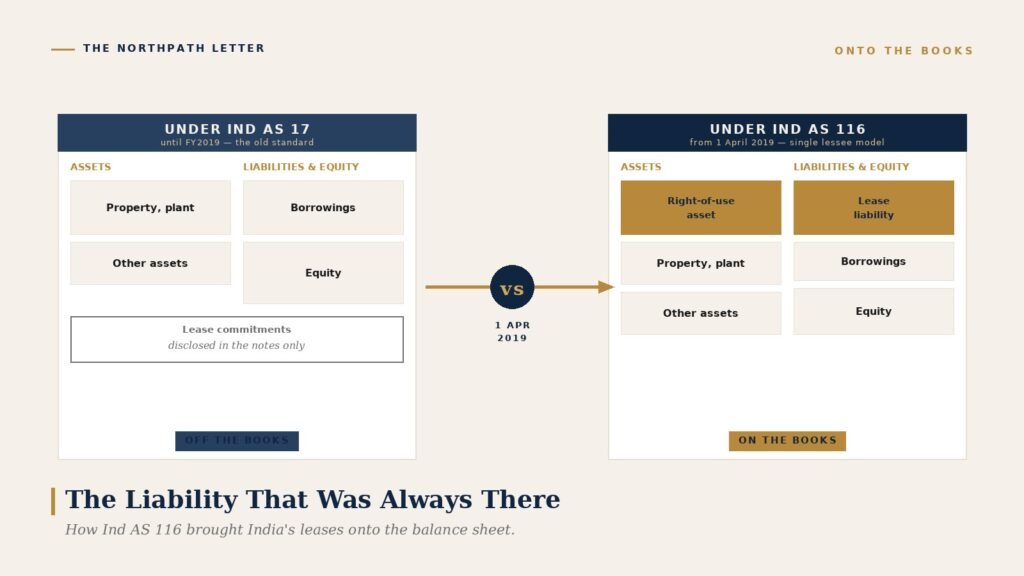 For three decades an Indian company could rent a thousand stores or a hundred aircraft and disclose almost none of it on its balance sheet. Ind AS 116 changed that overnight: a practitioner’s guide to the right-of-use asset and lease liability, the front-loaded expense and inflated EBITDA they create, the lessor asymmetry the standard left behind, where India’s balance sheets grew the most, the durable single-model-versus-ASC-842 divergence from US GAAP, and how to read the lease note now.
The NorthPath Letter · Free
Subscribe to The NorthPath Letter
Long-form strategic analysis of global businesses and capital markets, delivered to your inbox. Free, weekly, no spam — unsubscribe anytime.